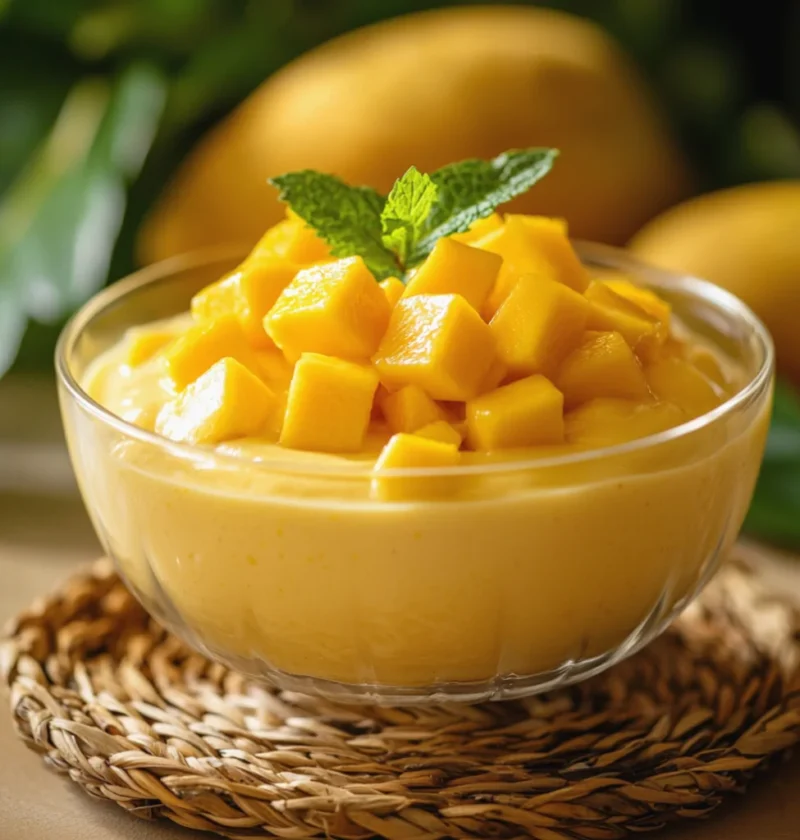
If you’re looking for a refreshing summer dessert that embodies the essence of tropical flavors, look no further than mango sago. This delightful Asian-inspired dessert combines the sweetness of ripe mangoes with the chewy texture of sago pearls, all enveloped in the creaminess of coconut milk. Originating from Southeast Asia, particularly popular in countries like Singapore and Thailand, mango sago is celebrated for its vibrant colors and rich flavors, making it a perfect end to any meal or a light snack during the sweltering summer months. This dessert is not only visually appealing but also caters to those who love a balance of textures in their sweets. Whether you’re hosting a summer gathering, a birthday party, or simply seeking a light treat for yourself, this recipe is sure to impress with its simplicity and deliciousness. With each bite, you experience the juicy mangoes, the creamy coconut, and the satisfying chew of the sago, creating a delightful harmony that is hard to resist. The interplay of textures and flavors not only tantalizes the palate but also evokes the tropical essence that many seek during the hot, sunny days. Remember, this dessert can evoke nostalgic feelings of tropical vacations or family gatherings, providing a sweet escape in every spoonful.
Table of Contents
Ingredients
- For the Sago Pudding:
- 1 cup sago pearls
- 4 cups water
- For the Mango Mixture:
- 2 large ripe mangoes, peeled and diced
- 1/2 cup coconut milk
- 1/4 cup sugar (adjust to taste)
- 1/2 teaspoon vanilla extract (optional)
- For Garnishing:
- Extra diced mangoes
- Mint leaves (optional)
Ensure your mangoes are perfectly ripe for the best flavor. The ripeness of the mangoes is crucial; they should yield slightly when pressed and have a sweet aroma, signifying their lusciousness. You can substitute regular sugar with coconut sugar or any sweetener of your choice if you’re looking for a healthier alternative. For a more intense flavor, consider using a combination of different mango varieties; for instance, the combination of Ataulfo and Haden mangoes can create a rich flavor profile. You can also learn more about this topic to enhance your understanding of this traditional dessert. Opt for organic mangoes when possible for a richer flavor, and be cautious with the sugar – the ripeness of the mango may naturally reduce the amount needed.
Steps / Instructions
- Cook the sago pearls: In a medium pot, bring 4 cups of water to a boil. Add the sago pearls and stir gently to prevent sticking. Cook for about 10-15 minutes, or until the pearls become translucent and tender. Keep an eye on them, as overcooking can result in a mushy texture that detracts from the final dish. The sago pearls should be soft but still retain a bit of bite, as this will enhance the overall texture of your mango sago. It’s important to taste one pearl to check for doneness; you want them to have a delightful chewy center, similar to a perfect al dente pasta.
- Drain and rinse: Once the sago is cooked, drain the pearls in a fine sieve and rinse under cold water to remove excess starch. This step is crucial as it helps maintain the chewy texture of the sago. Rinsing also cools the pearls, making them ready to combine with the mango mixture without heating it up. This ensures that the fresh mango flavors remain intact and vibrant in the dessert. Pay attention during this step, as rinsing thoroughly will enhance the contrast between the creamy and chewy elements of the dish.
- Prepare the mango mixture: In a blender, combine the diced mangoes, coconut milk, sugar, and vanilla extract. Blend until smooth, ensuring no lumps remain. Adjust sweetness if necessary by adding more sugar to suit your taste. For added texture, you might reserve some diced mango to fold in later instead of blending it completely; this will give your mango sago an inviting visual appeal along with varying textures. Consider adding a pinch of salt to enhance the flavor depth, as it contrasts well with the sweetness.
- Combine: In a large bowl, mix the cooked sago pearls with the mango mixture until well combined. The sago should be evenly coated, resulting in a creamy consistency that envelops each pearl. Ensure that every pearl is enveloped in the luscious mango-coconut blend for the best flavor experience. This step is where the magic happens, transforming simple ingredients into a harmonious dessert. You might find it helpful to use a spatula for gentle folding, ensuring the sago pearls do not break apart.
- Chill: Cover the bowl with plastic wrap and refrigerate for at least 1 hour to allow the flavors to meld and the dessert to chill. This chilling step enhances the overall taste and gives the sago time to absorb the creamy mango flavor. The cooling process also helps settle the textures, making each spoonful even more enjoyable. If you prefer a firmer texture, a longer chilling time of up to 4 hours can be beneficial.
- Serve: Before serving, give the mango sago a gentle stir to ensure that the mixture is uniform. Scoop into serving bowls or glasses, and top with extra diced mangoes and mint leaves for garnish. This final touch not only adds flavor but also elevates the presentation, making your dessert look even more enticing. The vibrant colors of the mango paired with the fresh green of mint create an eye-catching dish that is sure to impress. Consider using clear glasses for serving to showcase the layers and colors of the dessert.
Tips & Tricks
To achieve the best results with your mango sago and enhance its delightful flavor, keep these expert tips in mind: Check out our related guide for more tips.
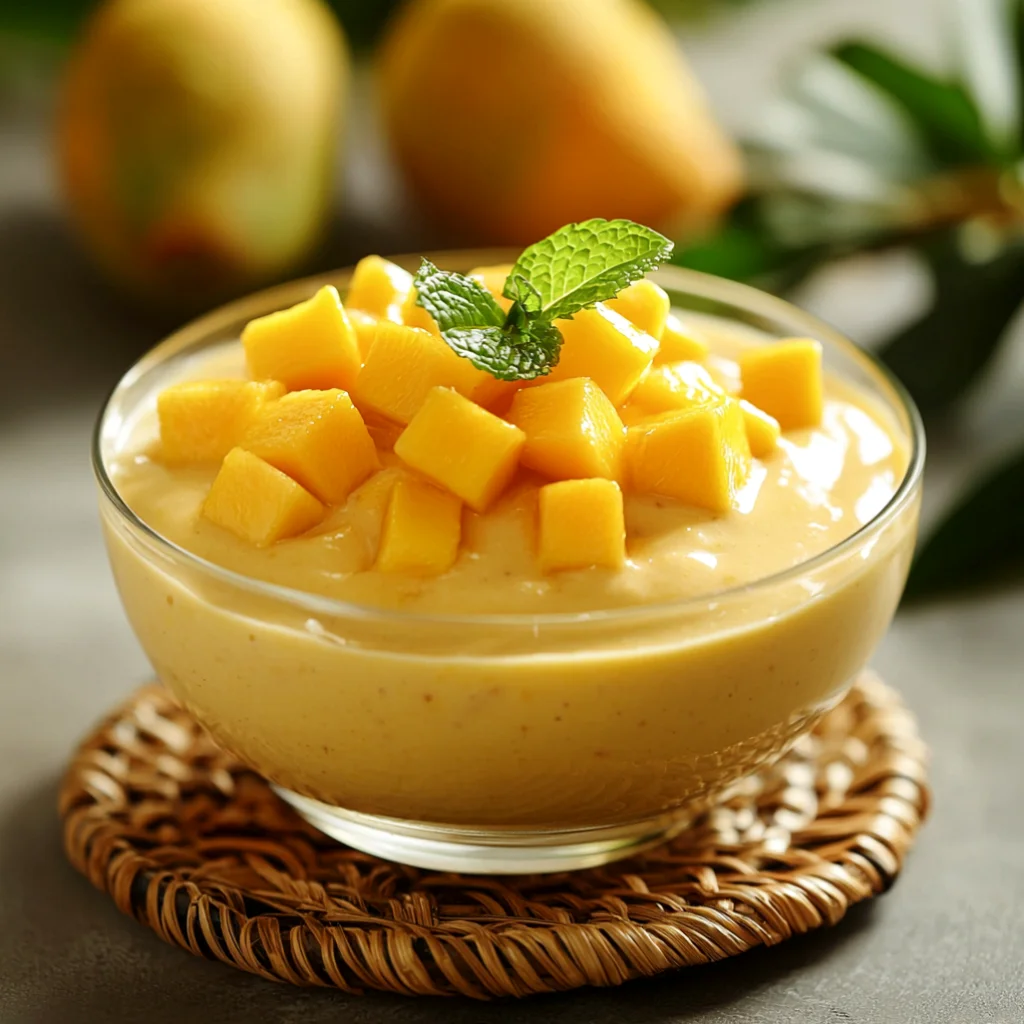
- Ensure your mangoes are perfectly ripe for maximum sweetness and flavor. The juicier the mango, the richer your dessert will taste. Store mangoes in a warm place to ripen them faster if they are not ready yet. Pro tip: placing them next to other fruits like apples can speed up the ripening process due to the ethylene gas they emit.
- You can store the mango sago in the refrigerator for up to two days, but it is best enjoyed fresh to maintain the optimal texture and flavor. This dessert tends to be at its best within the first 24 hours. When storing, ensure it’s in an airtight container to avoid it absorbing any unwanted odors from the fridge.
- For a more textured dessert, consider adding a sprinkle of toasted coconut flakes on top before serving. This adds both a crunchy texture and an additional layer of coconut flavor that complements the creamy elements beautifully. You can toast the coconut in a dry skillet over medium heat until golden brown, stirring frequently.
- Making ahead is easy — prepare the sago and mango mixture in advance and assemble just before serving to keep the textures distinct. This can be great for entertaining, allowing you to enjoy time with guests without the last-minute rush. Just remember to keep the components stored separately until you’re ready to serve for the best results.
- Avoid overcooking the sago. It should be soft but retain a slight chewiness for the perfect texture. If the sago is overcooked, it can become gummy, which may not be pleasant in the final dessert. Always check for doneness a minute or two before the suggested cooking time is up, and if you’re unsure, err on the side of slightly undercooking, as the pearls will continue to soften somewhat after being drained.
Variations and Substitutions
You can make mango sago with coconut jelly, evaporated milk, or extra mango chunks for more texture. Some versions are more drinkable, while others are thicker and more pudding-like.
For a vegan version, use coconut milk and a plant-based sweetener instead of condensed milk. You can also swap in oat milk or another milk of choice for a softer coconut flavor.
Serving Suggestions
Serve mango sago very cold in small bowls or glasses. It works well as a summer dessert after spicy food or as a refreshing afternoon treat.
Top with extra mango cubes, mint, or coconut jelly for a prettier presentation. For a layered look, pour the mango mixture over the pearls and finish with fresh fruit on top.
FAQs
Can I make mango sago ahead of time?
Yes, but it’s best to chill the mango base and add the pearls close to serving so the texture stays nice.
Can I use frozen mango?
Yes, if it’s ripe and flavorful once thawed, though fresh mango is ideal.
Is it more of a drink or a dessert?
It can be either, depending on how much liquid you use.
Final Thoughts
Mango sago is a cool, creamy, and refreshing dessert that’s perfect for summer. The mix of sweet mango, coconut milk, and chewy sago pearls makes it both soothing and satisfying.
Pro Tips
- Use ripe sweet mangoes.
- Cook the pearls until fully translucent.
- Chill before serving.
- Add fresh mango on top for extra color.
Common Mistakes
- Undercooking the sago.
- Using sour or underripe mango.
- Not chilling the dessert enough.
- Adding too much sweetness before tasting.
Call to Action
Try this Easy Mango Sago Summer Delight when you want something cold, fruity, and simple to make. It’s a beautiful dessert that brings major summer energy.
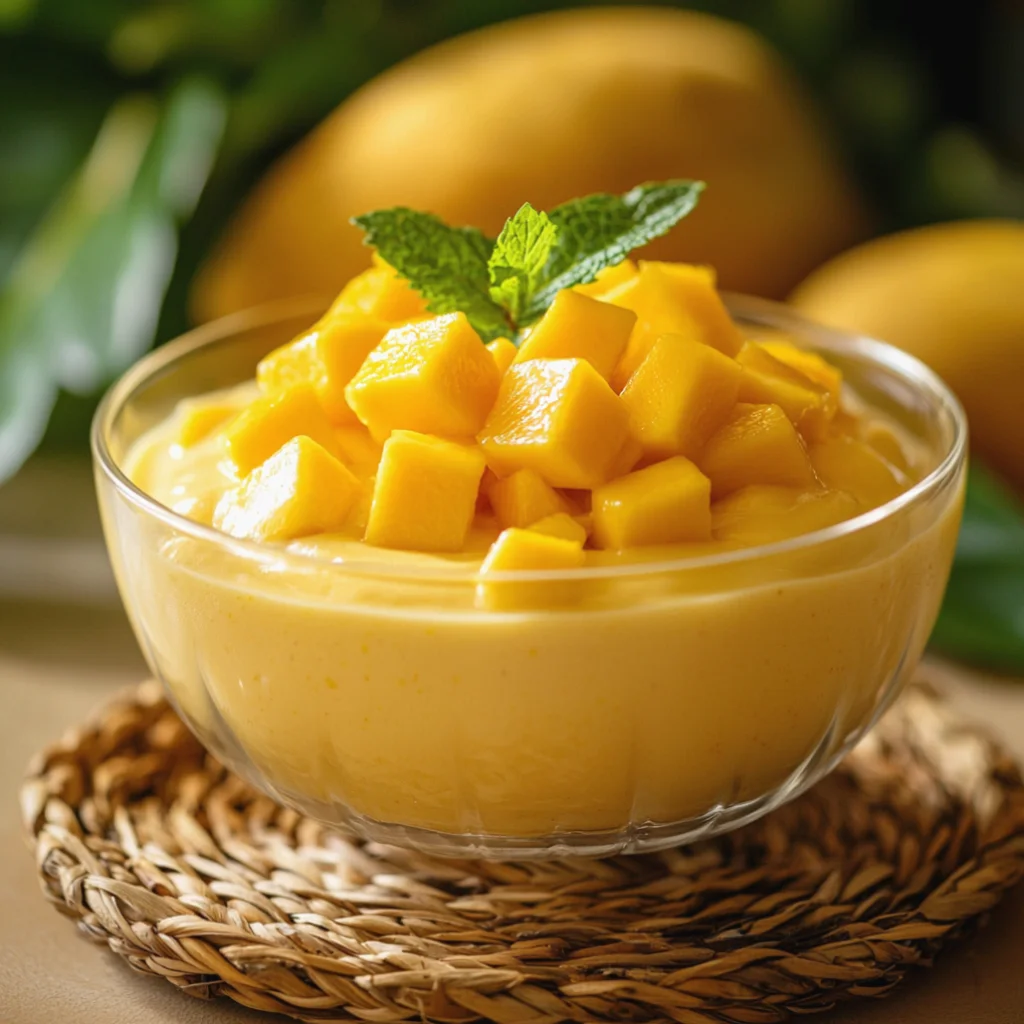
Mango Sago Summer Delight
A refreshing summer dessert that combines the sweetness of ripe mangoes with chewy sago pearls, all enveloped in the creaminess of coconut milk.
Ingredients
- 1 cup sago pearls
- 4 cups water
- 2 large ripe mangoes, peeled and diced
- 1/2 cup coconut milk
- 1/4 cup sugar (adjust to taste)
- 1/2 teaspoon vanilla extract (optional)
- Extra diced mangoes for garnishing
- Mint leaves (optional)
Directions
In a medium pot, bring 4 cups of water to a boil. Add the sago pearls and stir gently to prevent sticking. Cook for about 10-15 minutes, or until the pearls become translucent and tender.
Once the sago is cooked, drain the pearls in a fine sieve and rinse under cold water to remove excess starch.
In a blender, combine the diced mangoes, coconut milk, sugar, and vanilla extract. Blend until smooth.
In a large bowl, mix the cooked sago pearls with the mango mixture until well combined.
Cover the bowl with plastic wrap and refrigerate for at least 1 hour to allow the flavors to meld.
Before serving, give the mango sago a gentle stir and scoop into serving bowls or glasses. Top with extra diced mangoes and mint leaves for garnish.
Nutrition Facts
Recipe Reviews
- ★★★★★
Excellent recipe!
Leave a Reply
Your email address will not be published. Required fields are marked *









Excellent recipe!